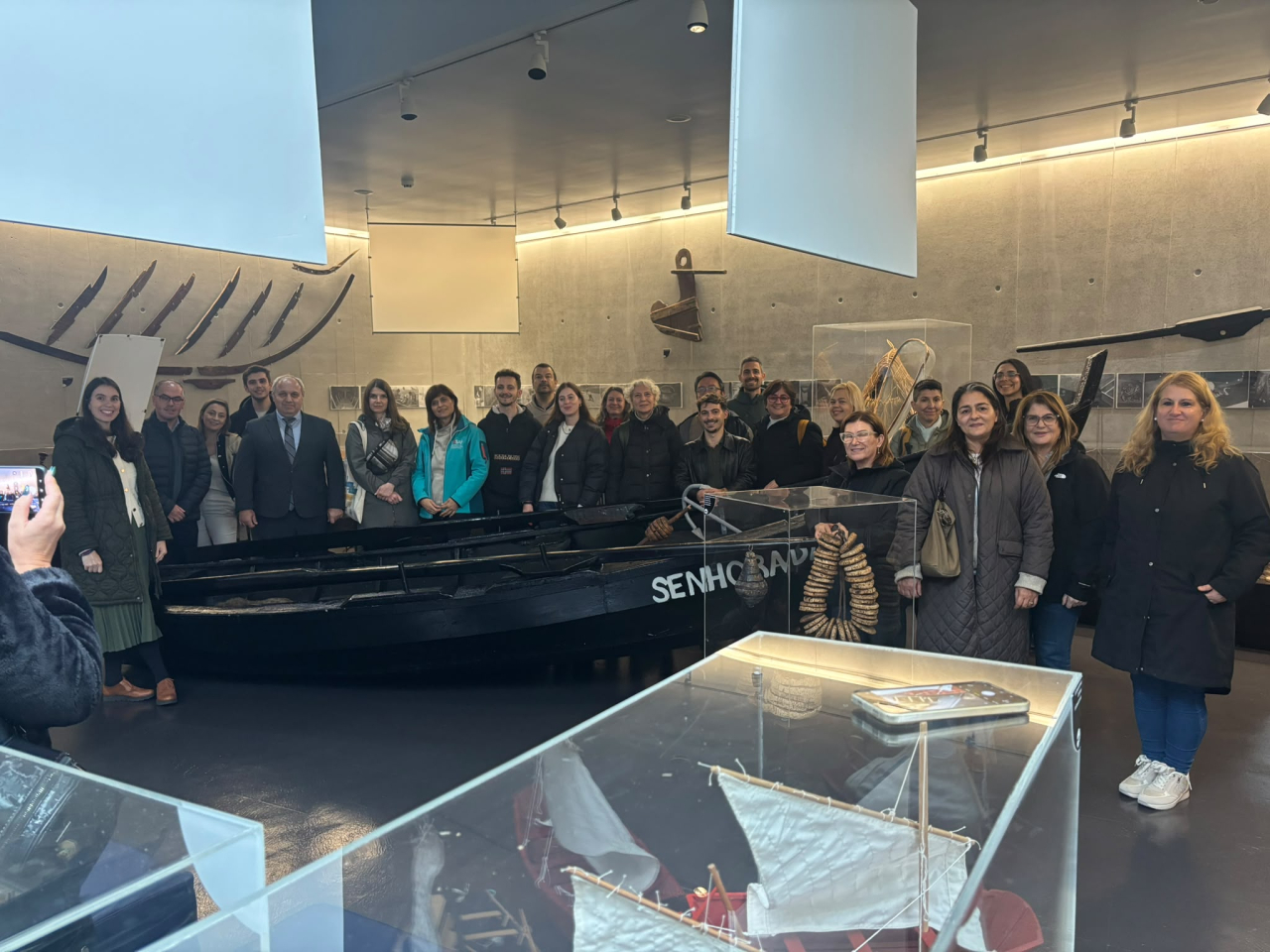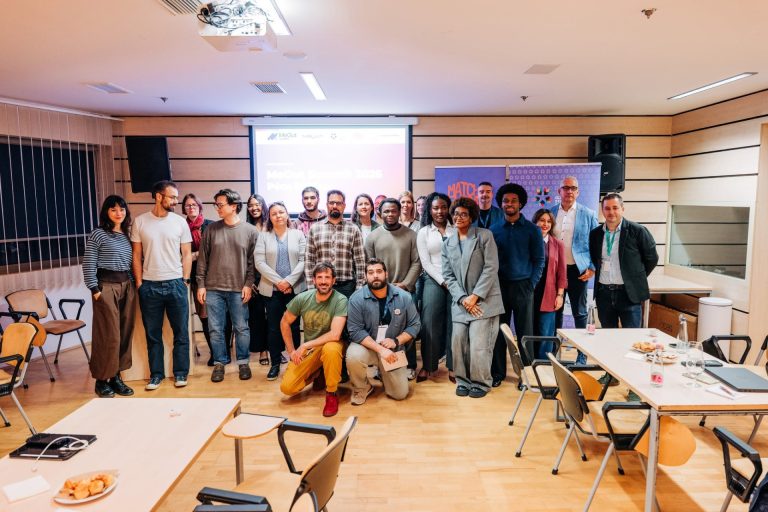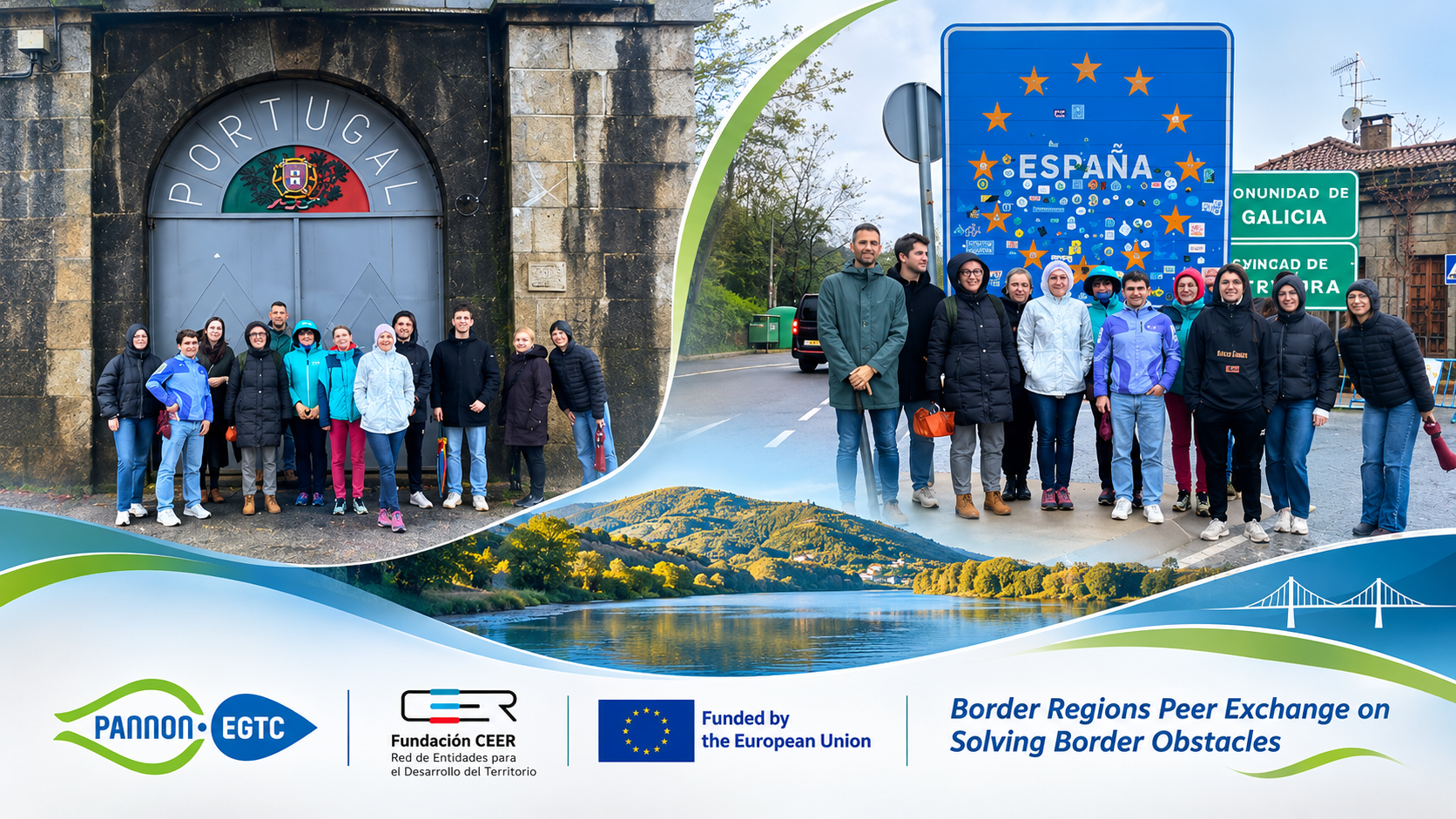
The study visit to Portugal was the first event of the Border Regions Peer Exchange on Solving Border Obstacles programme, launched by the European Commission’s Directorate-General for Regional and Urban Policy (DG REGIO). The initiative aims to enable representatives of European border regions to learn about each other’s challenges, proposed solutions and transferable good practices through real-life examples.
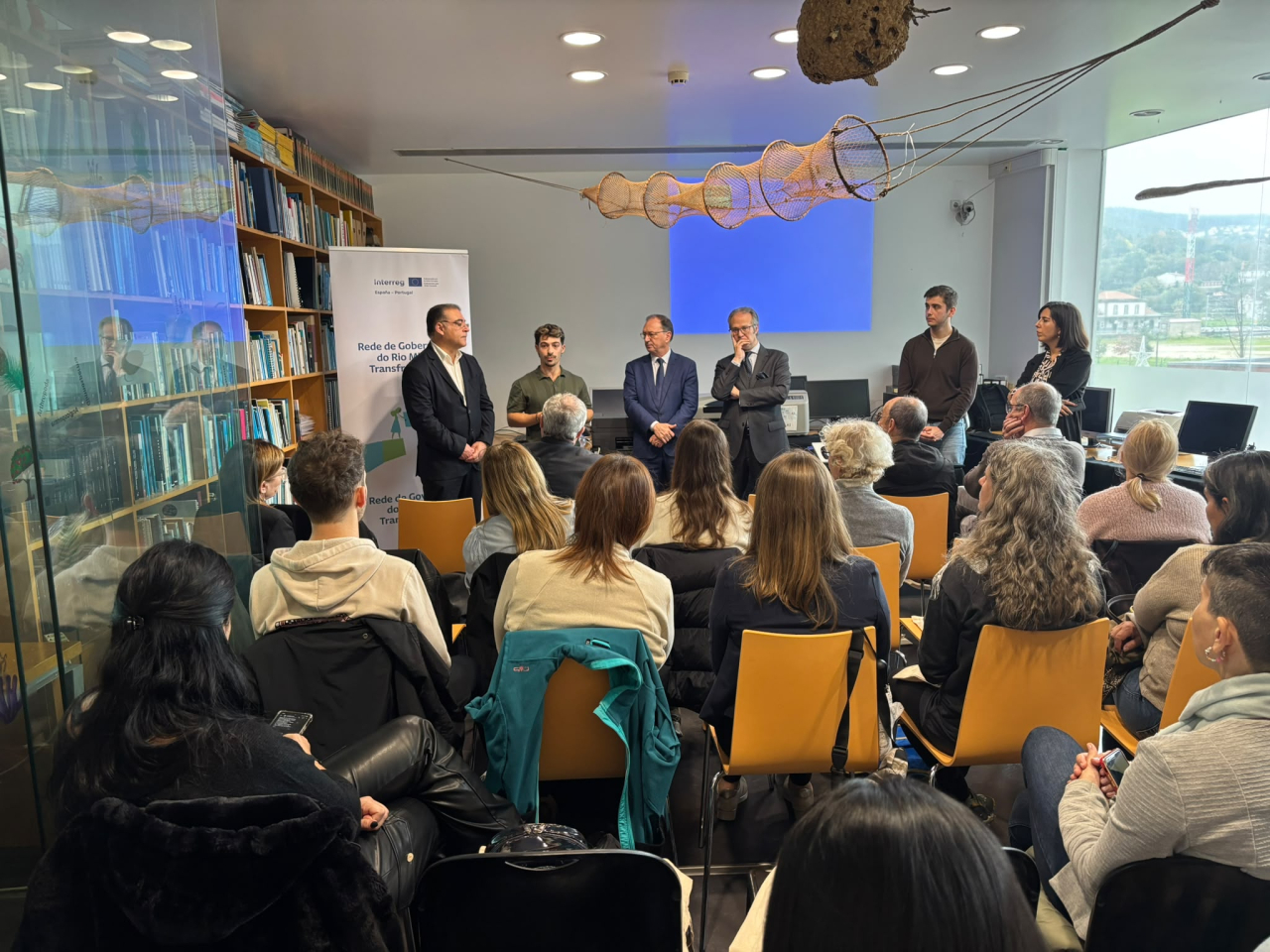
The meeting brought together representatives of local authorities, institutions, universities and territorial cooperation organisations from eight European countries. The host organisation, the Rio Minho European Grouping of Territorial Cooperation (AECT Rio Minho), presented the specific challenges of cross-border nature conservation and institutional cooperation through the example of the Minho River region, located along the Portuguese–Spanish border.
Shared regions, shared challenges
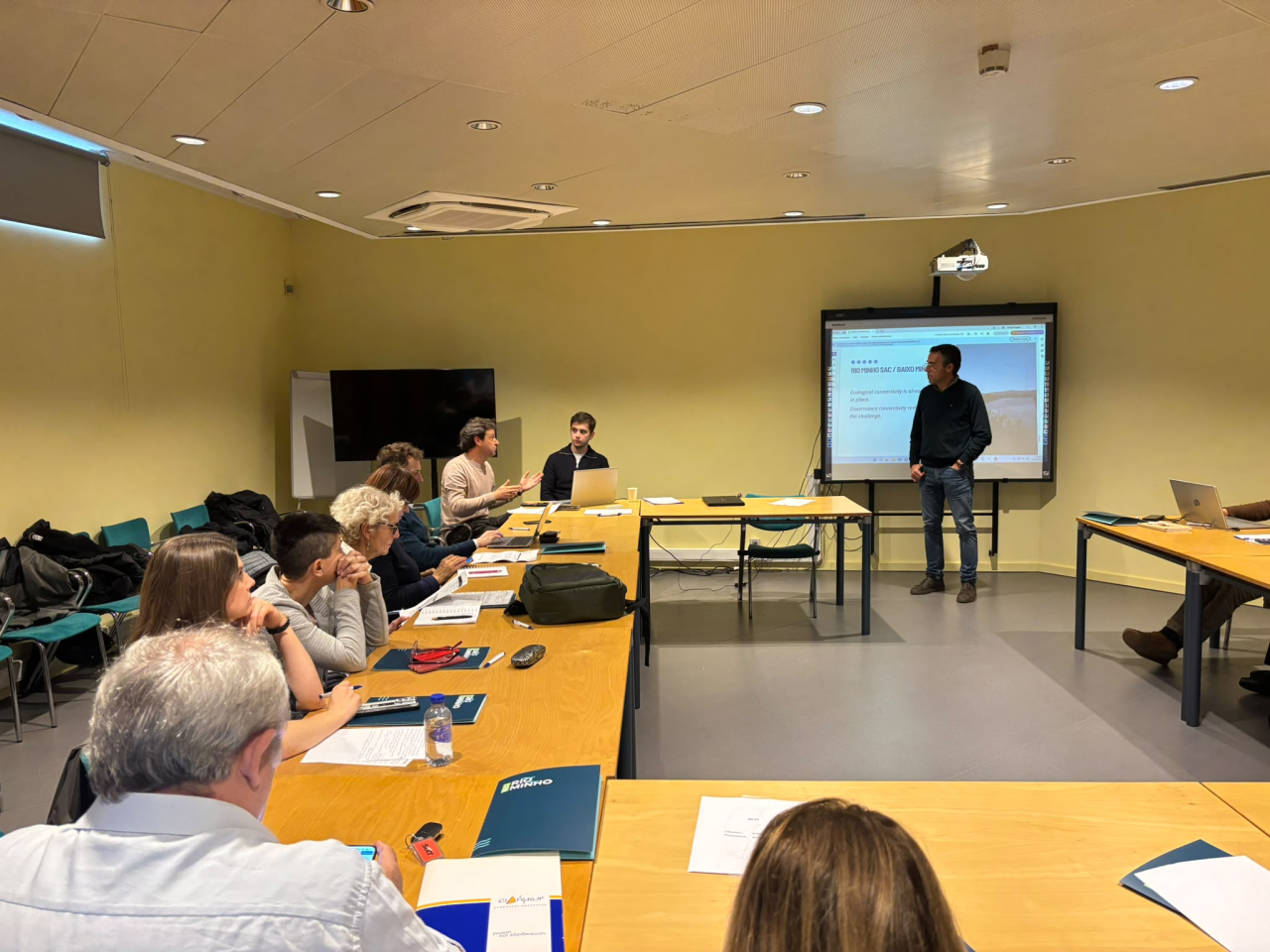
One of the key lessons of the professional programme was that natural and socio-economic regions do not follow national borders, whereas administrative and institutional systems do. Along the two banks of the Minho River, different institutional responsibilities, procedures and planning practices apply, making it more difficult to coordinate joint environmental protection measures.
The case presented demonstrated that obstacles to cross-border cooperation are not necessarily rooted in legislation. In many cases, the main challenge lies in the lack of appropriate frameworks for regular institutional consultation, information exchange and joint planning. The peer exchange therefore also explored solutions aimed at strengthening coordination between public authorities, local governments, researchers and civil society organisations.
These experiences are particularly valuable for Pannon EGTC. The Minho and Drava border regions share several similarities: both form interconnected natural and socio-economic areas whose coordinated development depends on effective cooperation between institutions operating on either side of the national border.
The Portuguese–Spanish example therefore has direct professional relevance for Pannon EGTC's initiatives along the Drava, including the Resilient Borders – Drava pilot and the preparation of the cross-border CLLD cooperation in the Danube–Drava Triangle. The knowledge gained may help the Grouping further explore the coordination and facilitation role it could play in bringing together regional stakeholders, local governments and the competent authorities.
International partnerships and new opportunities for cooperation
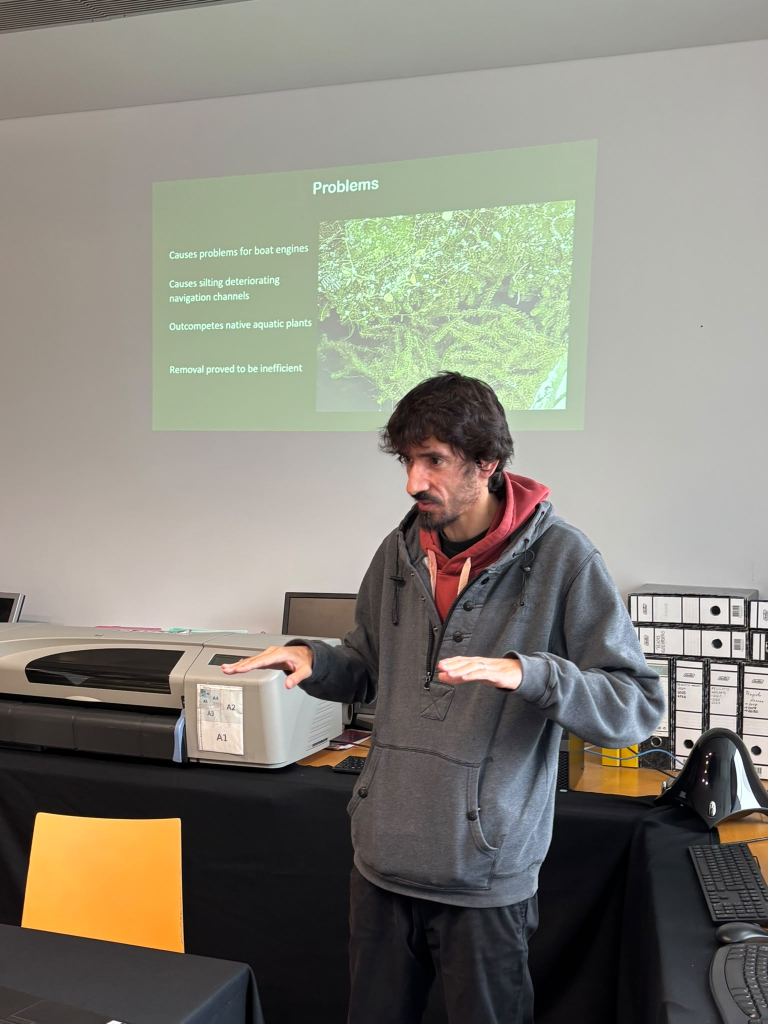
The visit provided an opportunity not only for professional knowledge exchange but also for expanding international relations. Discussions with representatives of the host organisation, Rio Minho EGTC, raised the possibility of preparing a joint project based on the operational experience of European Groupings of Territorial Cooperation, the involvement of local stakeholders and the development of cross-border institutional cooperation.
During the programme, participants also learned about another significant model of cooperation in the Spanish–Portuguese border region: ZASNET EGTC. The organisation acts as the managing body of the Meseta Ibérica Transboundary Biosphere Reserve. Its experience may provide a valuable basis for comparison with Pannon EGTC's activities in the Mura–Drava–Danube region.
Another important outcome of the meeting was the strengthening of links with the Western Balkans. The Pannon EGTC representative established a professional contact with the Mayor of the Albanian city of Roskovic. This relationship may provide a basis for future exchanges of experience and joint project initiatives, and work has already begun on the development of a related project under the Interreg South Adriatic Programme.
The visit also provided an opportunity for a professional discussion with Beniamino Brunati, a representative of the European Commission's Directorate-General for Regional and Urban Policy. Strengthening this relationship is particularly important for sharing experience gained through cross-border cooperation and ensuring that the development needs of the region are represented at European level.
European experience, local development opportunities
For Pannon EGTC, the value of international professional programmes such as this goes beyond individual study visits. Direct networking between European Groupings of Territorial Cooperation, learning about effective cooperation models and identifying opportunities for joint projects can all contribute to strengthening the Grouping's ability to represent the interests of the Hungarian–Croatian border region.
The visit to Portugal reinforced the understanding that successful cross-border development requires more than the implementation of individual projects. It also depends on lasting institutional relationships, regular professional dialogue and a coordinated approach to regional development.
Pannon EGTC aims to put international experience and partnerships to practical use for the benefit of the South Transdanubian and Croatian border region, while playing an active role in preparing future joint development initiatives.