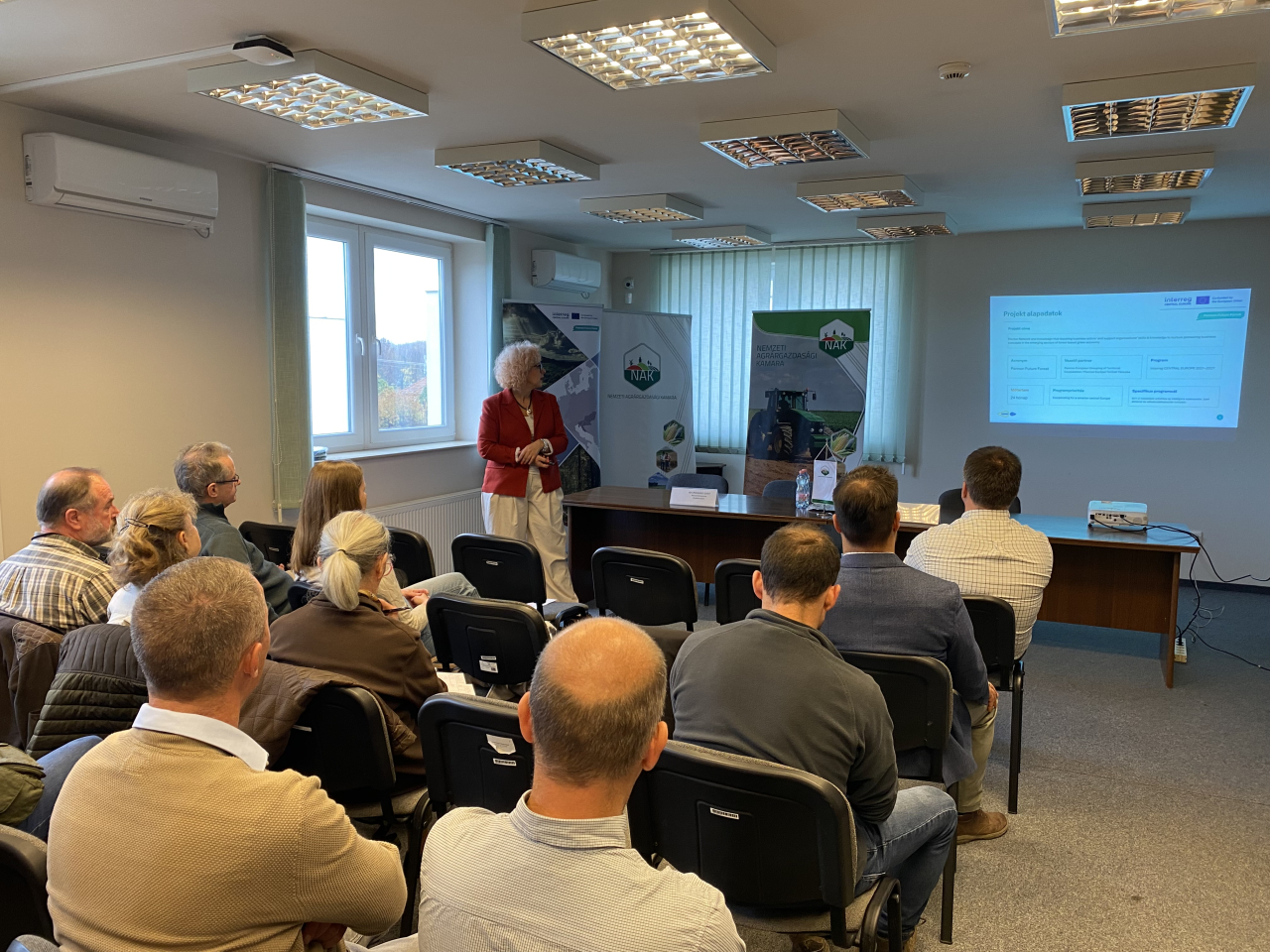
The event opened with a welcome address by Izabella Turós, Director of the Hungarian Chamber of Agriculture, who also provided an overview of changes affecting the Chamber's future. Throughout the programme, participants received information on current challenges facing forests, the prevention and management of forest damage, and the practical aspects of forest management. As part of the professional programme, Dóra Egry, Director of Pannon EGTC, and Miklós Szénási, Head of the Development and Technical Department at Mecsekerdő Plc., presented the objectives of the Pannon Future Forest project and the opportunities it offers.
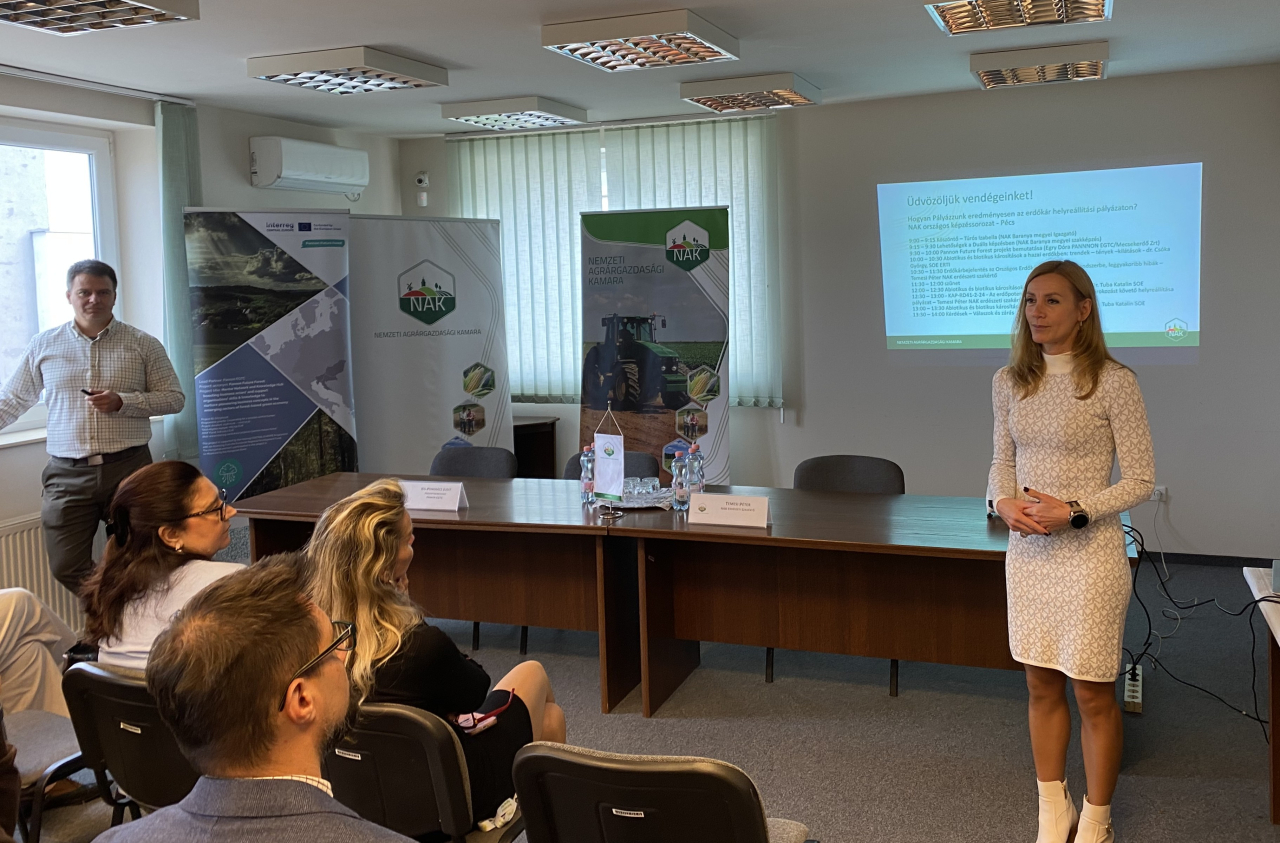
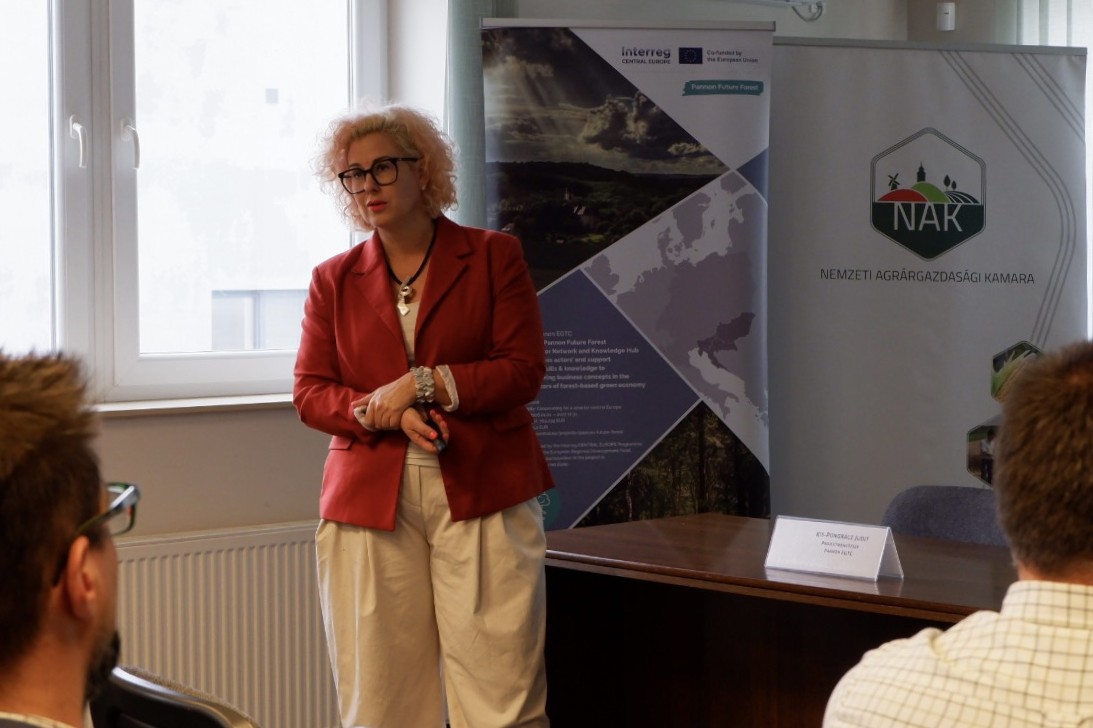
In her presentation, Dóra Egry introduced the project's international background, objectives and partnership, highlighting that regional development organisations and professional stakeholders should increasingly focus on direct EU funding opportunities. Pannon Future Forest is a good example of how international cooperation, shared knowledge and professional expertise can provide the basis for initiatives that create long-term value for the region.
Miklós Szénási provided a more detailed overview of the project's professional background and practical opportunities. He emphasised that forests should no longer be viewed solely from the perspective of forestry and timber production. It is becoming increasingly important for society and the general public to recognise the wide range of ecosystem services provided by forests and to see their sustainable use as a source of new economic and community opportunities.
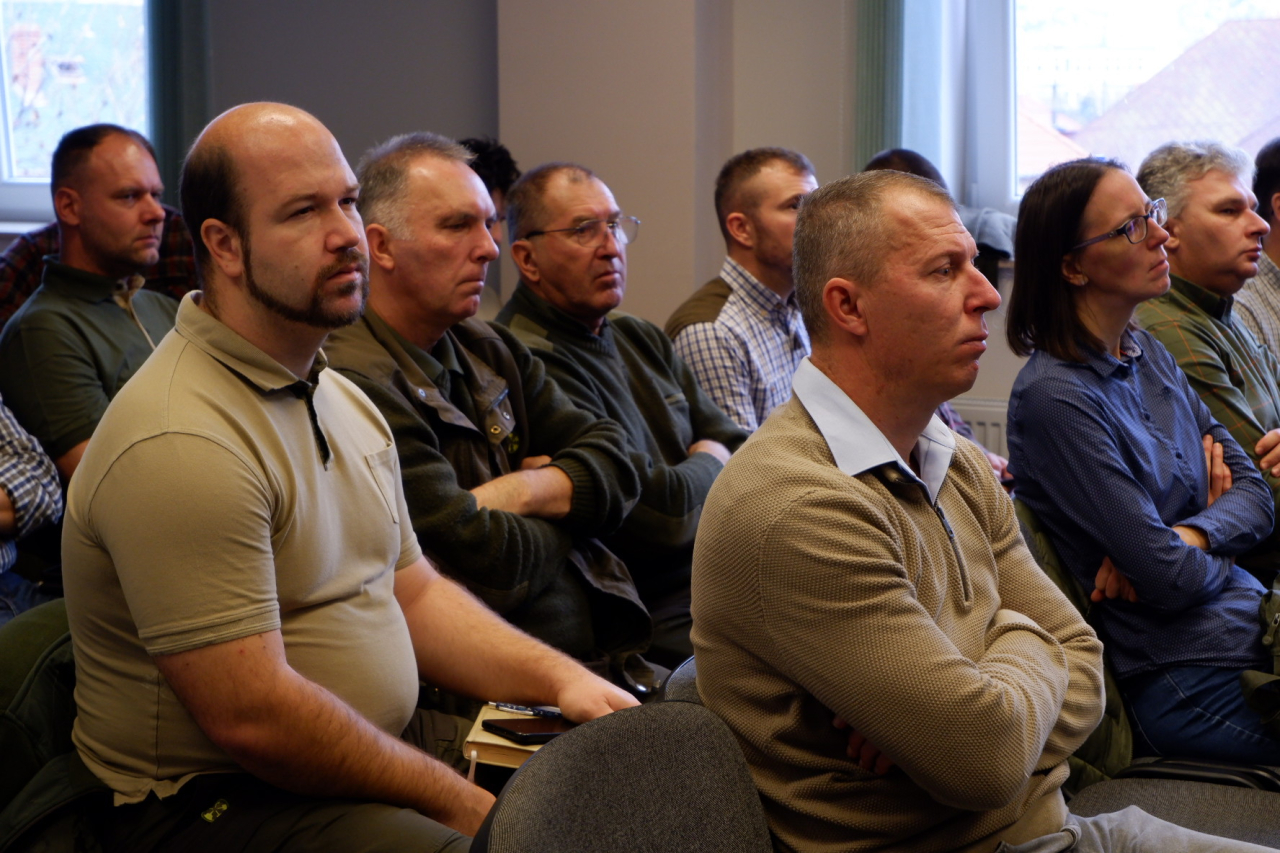
But how can a forest offer more than timber?
This is precisely the question Pannon Future Forest seeks to answer. Building on the natural assets of forests, wetlands and grasslands, the project supports the development of innovative business ideas. It is establishing a mentoring network and an international knowledge hub, bringing together expertise in forestry, nature conservation, business development and entrepreneurship. Potential areas include ecotourism, forest-based products, environmental education, agroforestry and recognising the economic value of ecosystem services.
One of the project's important sources of inspiration was the international hackathon held in Osijek, where participants from different fields worked together to explore new business opportunities based on forest resources. The ideas included some particularly creative concepts, such as developing a dessert or praline product inspired by the flavours of the forest and made from natural ingredients. This illustrates that innovation does not necessarily require large-scale investments. Sometimes, a creative idea, knowledge of local resources and the right professional support are enough to take the first step.
Pannon EGTC and its project partners encourage forestry, nature conservation and business stakeholders across the region to join this shared effort, exchange experience and explore the opportunities offered by the forest-based green economy.
The message of Pannon Future Forest is simple: shaping the future of forests requires not only professional expertise, but also fresh ideas, cooperation and open-minded thinking.