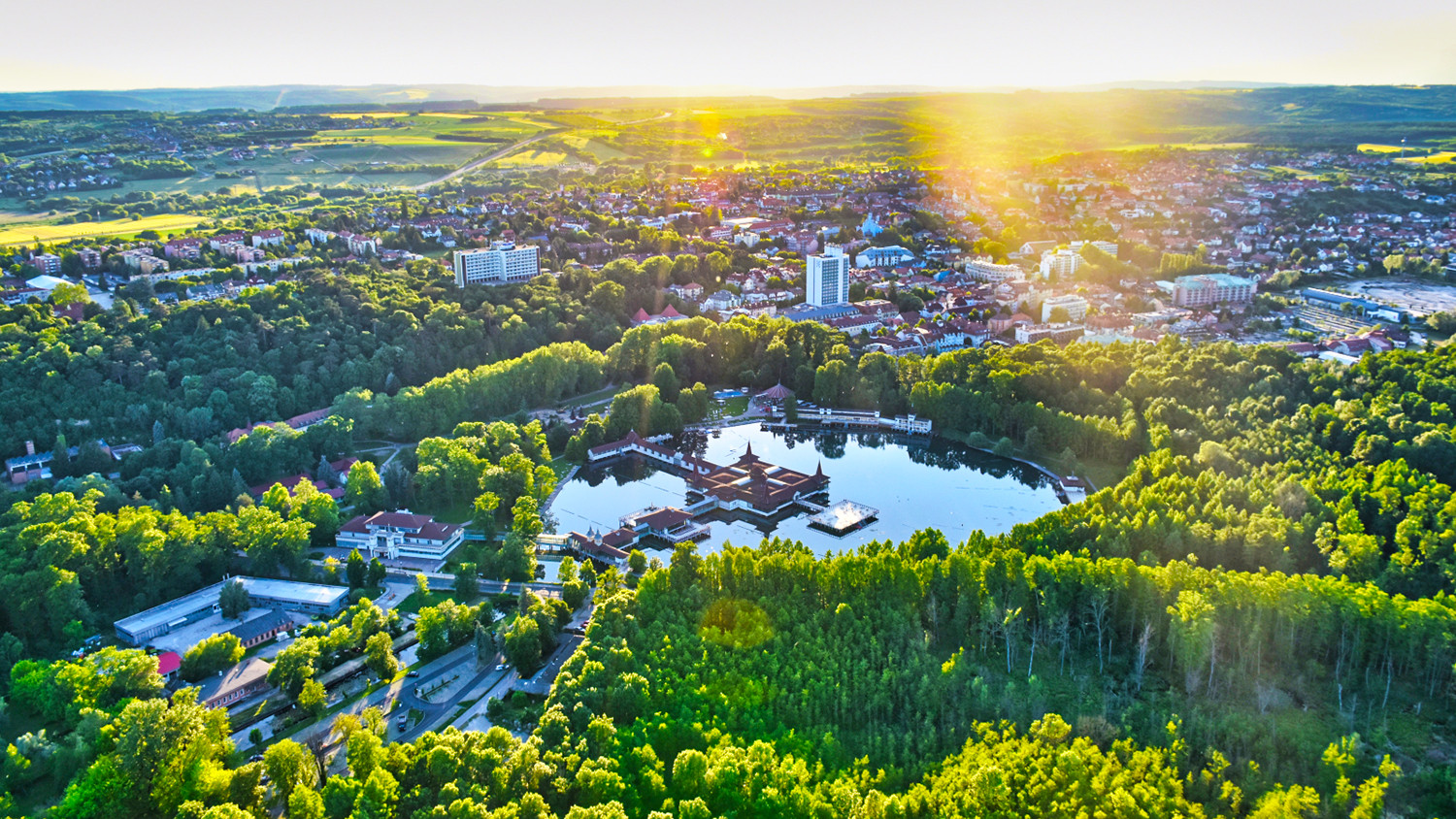
The two towns were assessed against more than 80 criteria. As part of the independent on-site audit, the auditor reviewed documents, visited local sites and consulted representatives from tourism, local government, nature conservation and culture.
Hévíz scored highest for the protection of its natural assets, while Sárvár’s strongest area was the preservation of cultural heritage and local traditions. In Hévíz, the audit highlighted the protection of species and habitats and the monitoring of natural assets. In Sárvár, it praised cooperation among cultural institutions, associations and civil society organisations, as well as the involvement of residents and young people. The audit also identified priorities for both towns, including setting measurable sustainability targets and involving a wider range of local stakeholders.
Local businesses and producers are part of the project
CROSSDEST aims to put sustainable tourism into practice across the Slovenian–Hungarian border region. The project partners are helping at least 40 tourism businesses prepare for the Good Travel Seal, a sustainability certification for tourism providers. Ten businesses in Sárvár are taking part, and the project also supports local providers in Hévíz.
Pannon EGTC contributes to the project by helping make local products part of what the region offers visitors. Our pilot explores how local producers and tourism providers can work together to make it easier for visitors to discover and buy products from the region.
Congratulations to the tourism professionals and local partners in Hévíz and Sárvár on this international recognition!
The CROSSDEST project, Cross-border Destination Development for Inclusive and Sustainable Tourism in the Slovenian–Hungarian Border Region, is implemented under the Interreg Slovenia–Hungary Programme.